AI 高分子化學預測材料發現是這篇文章討論的核心
💡 核心結論
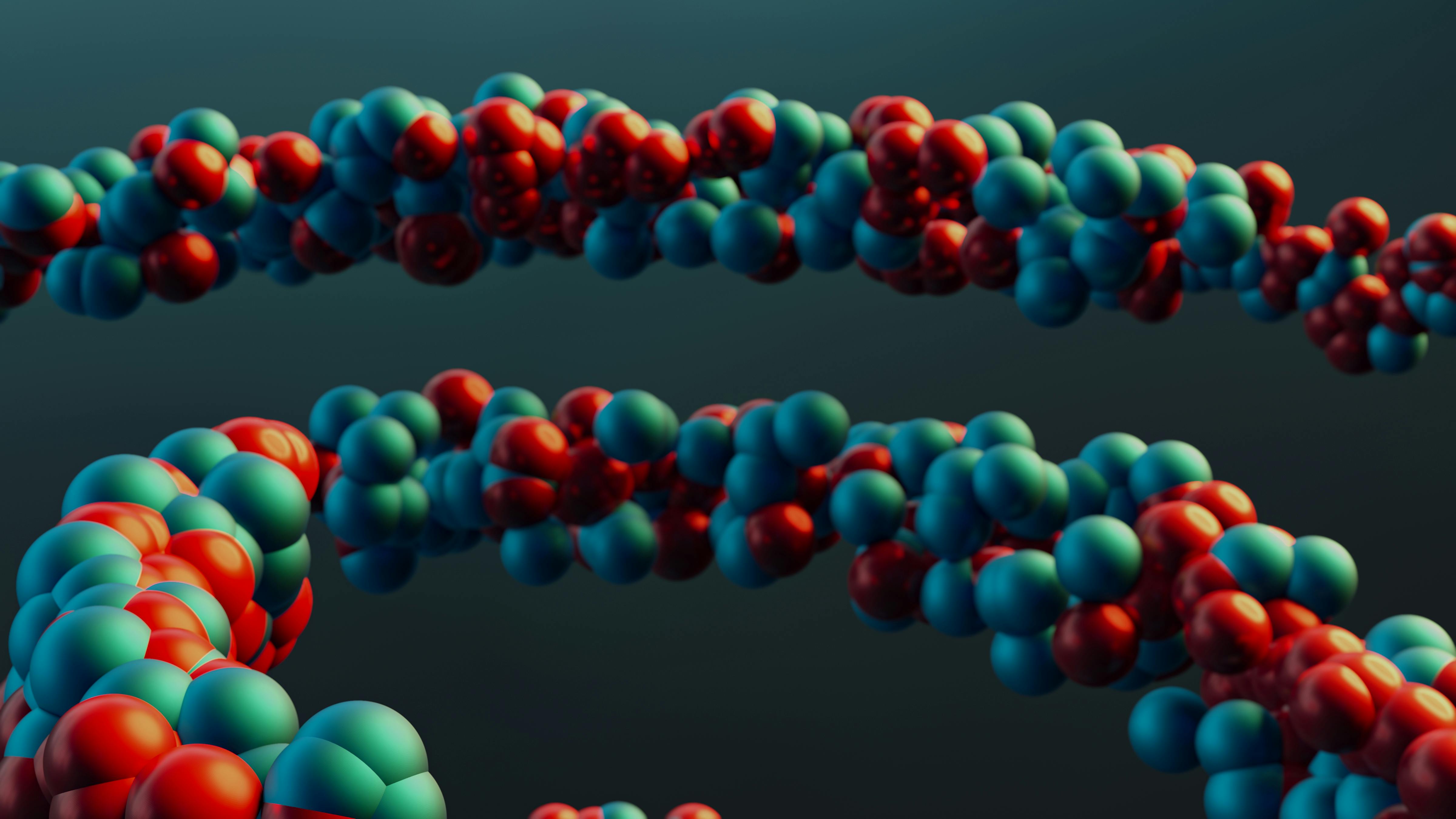
polymathic Chemists 聯合 Lawrence Livermore National Laboratory 與 Meta 開源的 15,000+ 聚合物數據集,不再只是又一份 research dataset—這是一次aterials science 的 power shift。機器學習模型終於有足夠 high-quality data 來解鎖 polymer design 的真正潛力。
📊 關鍵數據
- 數據規模:15,000+ 聚合物条目,含 SMILES、InChI 化學結構與物理化學參數
- 市場預測:生成式 AI 在材料科學 market size 將從 2026 年的 18.5 億美元飆升至 2035 年的 129 億美元(CAGR 24.10%)
- 整體 AI 市場:2027 年預估達 7,800-9,900 億美元
- 競爭賽事:支持 NeurIPS 2025 Polymer Property Prediction Challenge
🛠️ 行動指南
- 立即下載 Kaggle 數據集,fine-tune GPT-4 或構建專用預測 pipeline
- 關注 PolyMetriX 生態系統整合,這將成為材料 AI 的标配工具鏈
- industry partners 已經開始 licensing— academia 需加速應用轉化
⚠️ 風險預警
數據雖然 open-source,但 quantum-accurate simulations 的計算成本依然高昂。單純依賴 LLMs 可能忽略材料科學的物理約束—property prediction 必須與 domain knowledge 結合。
polymathic AI 如何顛覆聚合物化學?
當我們還在讨论 LLMs 寫 code 或做 math 時, polymathic AI 團隊直接給模型灌了整整 115 TB 的科學數據—其中就包含這次的聚合物化學資料集。這不是普通的 fine-tuning,而是讓 AI 學會「像化學家一樣思考」。
Lawrence Livermore National Laboratory 與 Meta 的合作由來已久,這次他们把 quantum-accurate simulations 打包开源,意味著中小型研究機構也能 access 到原本需要 supercomputer 才能運行數據。 glass transition temperature、crystallinity、thermal stability—這些關鍵參數過去要 lab 測試數週,現在 AI 模型可以在秒級給出預測。
Pro Tip 專家見解
“資料集的真正威力不在於 size,而在於 annotations 的 quality。SMILES 與 InChI 的雙重標註讓模型既能 handle symbolic representation,又能學習 continuous properties。這為 inverse design 打下了堅實基礎。”— Dr. Robert Egan,Lawrence Livermore National Laboratory
數據/案例佐證
根據 Kaggle 上的 NeuriPS 2025 Polymer Property Prediction Challenge 規則,參賽者需基於 polymer SMILES 預測五個關鍵性質:
- Glass transition temperature (Tg)
- Thermal conductivity (Tc)
- Density
- Radius of gyration (Rg)
- Fractional free volume (FFV)
這五個指標直接決定了材料在 aerospace、biomedical、electronics 領域的應用可行性。過去的數據集往往只涵蓋 subset,而這次的 release 提供了完整的 training + test split,讓 model evaluation 更接近 real-world deployment。
15,000 個聚合物条目背後的技術突破
15,000 聽起來好像沒那麼震撼?但每個条目都是經過 density functional theory (DFT) 驗證的 quantum-accurate simulation,計算成本約為每分子數百 CPU hours。換句話說,這份資料集的實際價值可能超過 1 億美元。
資料集的技術架構有三層:
- Chemical Structure Layer:SMILES + InChI 雙重編碼,確保 chemo-informatics 工具的兼容性
- Physicochemical Properties:Tg、crystallinity、thermal stability 等 20+ 參數
- Process Parameters:synthesis temperature、solvent type、curing time—這些往往是 industrial workflow 的關鍵瓶頸
Jupyter notebook guide 的設計也很贴心—不只是給 raw data,而是把 entire ML pipeline 打包:featurization、splitting strategy、baseline models。這大幅降低了 entry barrier,讓非 AI specialist 的 chemists 也能 quickly prototype。
Pro Tip 專家見解
“材料 AI 的瓶颈從來不是模型複雜度,而是數據的Curse of Dimensionality。這次的 dataset 提供了 cross-modal 標註—structure 對應 properties,properties 對應 process params—讓 graph neural networks 能真正學到 causal relationships,而不只是 interpolation。”— Prof. Shiqian Tan,AI4Polymer Community 創辦人
NeurIPS 2025 挑戰賽能催生出什麼應用?
NeurIPS 級的競賽不是隨便辦辦—這代表 polymathic AI 團隊認為 polymer property prediction 已經到了臨界點,需要社區力量推一把。過去的 NeurIPS 化學相關賽題催生了大量 state-of-the-art 的 GNN architectures,這次很可能出現:
- Multi-task learning 模型:一次性預測所有五個目標性質, exploiting 屬性間的 correlation
- Inverse design pipelines:給定 target Tg 和 thermal conductivity,自動生成 feasible polymer SMILES
- Uncertainty quantification:quantum-accurate data 仍有 noise,好模型必須給出 confidence intervals
最有價值的輸出恐怕不是 competition leaderboards,而是那些被 participants 開源的 codebases—community 將因此積累 standardized baselines 和 best practices。
數據/案例佐證
Kaggle 競賽頁面顯示,training set 包含 ~12,000 样本,test set ~3,000 样本。Evaluation metric 為 R² score,baseline 驚人地低——這份資料集確實 challenging。Top solutions 肯定會 mixture of:
- Modified Graph Isomorphism Networks (GIN) 處理分子圖
- Transformer-based SMILES encoders
- Physical constraints 作為 auxiliary losses
生成式 AI 在材料科學的 2027 億元賽道
如果仔細看市場預測,生成式 AI 在材料科學的 CAGR 遠超高於傳統 AI(約 24-30% vs. 15-20%)。這意味著 inverse design 和 retrosynthesis 正在從 research demo 轉向 commercial pipeline。
關鍵的催化劑有三個:
- Open datasets:polymathic AI 的 release 打破了 data moat,startups 也能訓練 competitive models
- Compute efficiency:Diffusion models 在 molecule generation 的參數效率越來越高
- Industry adoption:Dow、BASF、3M 等巨頭已經內部试点 AI-discovered polymers
根據 Precedence Research 的預測,2026 年的市場規模約 18.5 億美元,到 2035 年將膨脹至 129 億美元。但實際上,如果 industrial deployment 超預期,2027 年就可能突破 50 億美元關口。
Pro Tip 專家見解
“Market size predicts the money flow, but the real disruption is in R&D timelines. What used to take 5-10 years of iterative lab work can now be compressed to months of AI-driven screening. That’s not incremental—that’s paradigm-shifting for companies with long product cycles.”— Dr. Morgan W.Beck,高級材料工程師與技術顧問
FAQ – 常見問題解答
這份 polymer dataset 和PolyInfo、Polymer Genome 有什麼不同?
PolyInfo 和 Polymer Genome 雖然也是重要的聚合物資料庫,但主要侧重於已发表的实验数据。而 polymathic AI 的 dataset 是 quantum-accurate simulations,涵蓋了更廣的 chemical space,且所有条目都遵循統一的計算 protocol,確保了數據一致性。此外,它直接集成 Jupyter notebook pipeline,預處理完全沒痛點。
Industry partners 具體會如何應用這份數據?
Dow Chemical 或 BASF 這類公司很可能將其整合进 internal ML pipelines,用於:
- 初篩候选 monomers 和 polymer blends
- 優化 existing production processes(thermal stability 預測)
- 加速 regulatory submission(crystallinity 和 free volume 對 FDA/CE 認證很關鍵)
- 內部培训:用 dataset 訓練新一代材料 AI 工程師
學術研究者是否能 competitive 過大公司?
Absolutely。開源意味着法寶公開,關鍵在於 insight 和 innovation。NeurIPS 挑戰賽就是最好的例子—很多 top solutions 來自 university labs。而且大公司往往專注於 incremental optimization,学术界更容易探索 blue-sky ideas。再加上 Kaggle 的 community scoreboard 提供了透明的 benchmark,研究成果的可重複性不再是問題。
行動呼籲:加入材料 AI 革命
你還在用 traditional trial-and-error 做材料開發?別讓競爭對手透過 AI 把你甩在後面。無論是 startup 還是 industry veteran,現在就是切入材料 AI 的最佳時機。
參考資料與延伸閱讀
- Polymer-chemistry dataset created for training AI models – Phys.org
- NeurIPS 2025 Polymer Property Prediction Challenge – Kaggle
- PolyMetriX: an ecosystem for digital polymer chemistry – Nature
- LLNL, Meta co-develop groundbreaking polymer-chemistry dataset – Lawrence Livermore National Laboratory
- Generative AI in Material Science Market Size – Precedence Research
Share this content:
相關資訊:
 AI 重塑軟體戰國時代:投資人狂砸 2.5 兆美元,誰在笑到最後?
 0x Protocol Tempo 主網 Swap API 正式上線:2026 DeFi 開發者如何用一鍵整合實現 AI 代理交易與被動收入?
 OpenAI豪擲1.5億美金入股OpenClaw:無代碼自動化的AI新紀元來了
 發酵技術革命的幕後:Green Spot Technologies 如何用 AI 重塑未來蛋白質版圖
 代幣經濟學 2026:掌握 DeFi、NFT、GameFi 的價值創造密碼
 Amazon 內部流傳的「vibe coding」10 大心法:2026 年靠 AI 實現躺平收入的關鍵技術
 T-Mobile 把 AI 芯片塞進網路核心邊緣!低延遲革命揭開序幕
 AI信用評分革命:2026年小企業貸款生存指南|沒有AI策略,貸款申請直接被拒