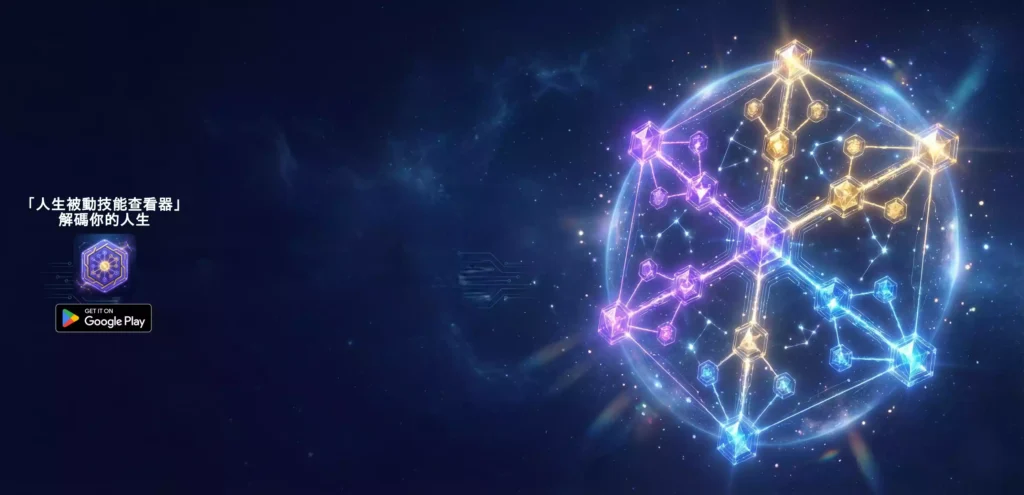
Multi-Agent是這篇文章討論的核心
In artificial intelligence, an **agent** is an autonomous software entity that can **perceive its environment, make decisions, and take actions** to achieve a specific goal. In an enterprise context, AI agents often handle tasks such as fetching data, calling tools, booking meetings, or answering customer questions.
**“Multi-agent”** refers to a system where **multiple AI agents work together**, often with different specialties. Instead of one large model trying to do everything, a multi-agent system divides work among coordinated agents — for example, one agent for research, one for planning, and one for executing code — that communicate, delegate, and refine outputs.
### Key features of multi-agent systems
– **Specialization**: Each agent is responsible for a narrow task or domain.
– **Coordination**: Agents pass information, request help, and align on a shared workflow.
– **Autonomy**: Agents can act and react without every step being hard-coded.
– **Scalability**: Teams of agents can handle complex, end-to-end business processes.
### Why it matters now
Gartner has reported a sharp rise in enterprise interest, predicting that **40% of enterprise applications will embed task-specific AI agents by 2026**, up from less than 5% in 2025. This shift reflects a move from single-purpose AI assistants to coordinated “virtual workforces” of agents that collaborate on real business workflows.
Share this content:
相關資訊:
 Agentic AI in Decision-Making
 65%行銷職位將被AI吃掉的真相:2026年行銷人驟變指南
 核能的最後狂歡?2026年關鍵五年窗口:SMR革命、鈾價暴漲與再生能源生死對決
 Gemini inserting Workspace:2026年企業工作流程的深度AI整合實測與市場衝擊分析
 2026 年 AI 加密貨幣交易機器人 Top 10 深度剖析:無人化交易時代已全面降臨
 輝達豪擲 60 億美元「只租不買」Poolside:黃仁勳的開放權重大棋,正在重寫 2026 年 AI 霸權規則
 2026 Google I/O 終極解析:Agentic AI 時代來臨,數位員工解放人類勞動力
 SpaceX與Anthropic聯手打造AI宇宙網格:每月12.5億美元天價合約如何撼動2026全球雲端計算版圖?


